Custom Embroidery & Embroidered Shirts in Southwest Florida
Stitched logos on polos, jackets, work shirts and bags for a sharp, professional look.
Nothing says established like a clean, stitched logo. We digitize your artwork into an embroidery file and sew it directly into the garment, so it never peels, cracks or fades. It’s the favorite for uniforms, front-of-house staff, real estate teams, marinas, golf events and anyone who wants their brand to look premium.
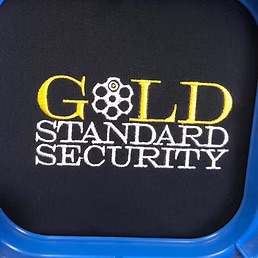
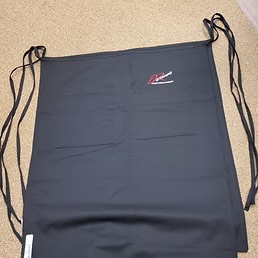
Recent embroidery
Why people choose it
- Professional finish. Raised, textured stitching reads as quality from across the room.
- Extremely durable. Thread is sewn in. It lasts as long as the garment does.
- Custom digitizing. We convert your logo into a stitch file built for crisp detail.
- Name personalization. Add individual names or titles for staff and teams.
Good for
- Business uniforms & polos
- Restaurant & hospitality staff
- Contractor and trade work shirts
- Corporate gifts
- Golf tournaments
- Boat crews & marinas
We put it on
- Polos & button-downs
- Work shirts & fishing shirts
- Jackets & quarter-zips
- Hats & visors
- Bags, backpacks & towels
- Aprons & scrubs
How it works
- Send your art. A logo file, a sketch on a napkin, whatever you have. Tell us quantities and your date.
- Get a price and proof. We tell you the best way to print it and send a mockup to sign off on.
- We print it. Everything is printed, stitched or imprinted in our Fort Myers shop.
- Pick up or ship. Grab it at the shop if you are local. We ship anywhere else in Florida.
Common questions
What is digitizing?
Digitizing turns your logo into a stitch file that tells the embroidery machine where every stitch goes. It’s usually a one-time setup. After that, re-orders are easy.
Can you embroider small text?
Very small text can blur in thread. We’ll advise on sizing and simplify details if needed so your logo stays crisp.
Can I bring my own garments?
Call us to talk it through. We’ll let you know which items work well for embroidery and what to expect.
Embroidery or screen printing?
Embroidery shines on polos, hats and outerwear with a logo-sized design. Screen printing is better for big designs on tees. We’ll recommend the right fit.
Custom Embroidery near you
We do custom embroidery for customers all over Southwest Florida, including:
Lee County: Fort Myers, Cape Coral, Lehigh Acres, Bonita Springs, Estero, Fort Myers Beach, Sanibel, North Fort Myers, San Carlos Park, Gateway, Pine Island, Alva
Collier County: Naples, North Naples, Marco Island, Golden Gate, Immokalee, Ave Maria, Everglades City
Charlotte County: Port Charlotte, Punta Gorda, Englewood, Rotonda West, Babcock Ranch, Charlotte Harbor
Outside SWFL? We ship custom embroidery orders to Miami, Tampa, Orlando, Jacksonville and everywhere else in Florida.
Also see custom screen printing, custom hats, promotional products.
The in-depth guide
How custom embroidery works
Embroidery starts with digitizing. Your logo is rebuilt as a stitch file that tells the machine every needle movement: stitch type, direction, density, color changes and the order everything sews in. Good digitizing is the difference between a logo that looks crisp and one that looks lumpy, so we treat it as a craft, not a file conversion.
Once the file is ready, the garment is hooped with a stabilizer (called backing) behind it, and the machine sews the design thread by thread. A typical left-chest logo is a few thousand to around ten thousand stitches. The result is a raised, textured logo that is part of the garment itself. It will not crack, peel or fade, which is why embroidery is the standard for uniforms and anything that has to look professional for years.
What affects embroidery pricing
- Stitch count. Bigger and denser designs take more stitches and more machine time.
- Digitizing. Usually a one-time setup per logo. After that, re-orders reuse the same file.
- Number of locations. A left chest plus a sleeve or back logo means multiple hoopings.
- Quantity. Setup is spread over the whole order, so larger orders cost less per piece.
- The garment. Polos, jackets and performance pieces vary a lot in price before any thread goes on.
- Personalization. Individual names or titles are added per piece.
Unlike screen printing, the number of thread colors does not usually change the price much. Stitch count matters more.
Best placements and sizes
- Left chest: about 3 to 4 inches wide. The most common placement for polos, button-downs and work shirts.
- Cap front: usually up to about 2 to 2.5 inches tall and 4 to 5 inches wide, depending on the hat.
- Sleeve: around 2 to 3 inches, good for a flag, secondary logo or certification badge.
- Back yoke: a small logo or website under the collar.
- Jacket back: larger designs work well on heavier outerwear.
Small lettering is the main limit. Text shorter than about a quarter inch gets hard to read in thread, so we may suggest simplifying a tagline or dropping fine details for the embroidered version of your logo.
Thread, backing and 3D puff
Most commercial embroidery uses polyester thread, which is colorfast, bleach resistant and tough enough for work wear. Rayon thread has a slightly higher sheen. Behind the design, cutaway backing is used on knits like polos so the logo keeps its shape wash after wash, while tearaway backing is used on stable fabrics like twill.
3D puff embroidery stitches over a foam layer so letters stand up off the garment. It looks great on the front of structured hats with bold, simple lettering. It is not a fit for thin lines or tiny details.
Which garments embroider best
Embroidery loves fabric with some body: piqué and performance polos, twill and oxford button-downs, fishing shirts, quarter-zips, jackets, fleece, hats, bags and towels. Very thin, stretchy tees can pucker around a dense logo, so for lightweight tees we usually recommend screen printing instead. Not sure? Send us the item and we will tell you how it will turn out.
Embroidery or screen printing?
Choose embroidery when you want a polished, professional look that lasts as long as the garment: staff polos, front-of-house uniforms, real estate and office teams, golf events, boat crews and corporate gifts. Choose screen printing when you want a large design on a tee or hoodie, or a big run of event shirts at a lower cost per piece. Plenty of businesses use both: embroidered polos for the office and printed tees for the crew.
Patches as an alternative
Embroidered, woven and leather-style patches give you a clean, premium look and can carry more detail than direct embroidery in some cases. They are especially popular on hats and jackets. A patch can be sewn on or heat applied depending on the garment.
Caring for embroidered apparel
Wash in cold or warm water, inside out if possible, and tumble dry low. Avoid ironing directly on the stitching. Polyester thread stands up to bleach better than rayon, but it is still best to skip it on colored garments.
Who orders custom embroidery
Restaurants, bars and hospitality
Staff shirts need to look sharp, survive a kitchen and still be comfortable at the end of a double. Embroidered polos and button-downs work for front-of-house and managers, while printed tees and hats keep the rest of the team matching. Merch for regulars, like a soft tee or a trucker hat, is a small extra revenue stream that also advertises the spot.
Offices, medical and professional teams
Professional teams usually want embroidered polos, quarter-zips and button-downs with a clean left-chest logo, plus a few branded items for clients. Consistent colors and styles across the whole team make a strong impression, and re-orders for new hires are simple.
Golf events and clubs
Tournament polos, hats, towels and gift bags are the classics. Embroidered performance polos look right on the course, and branded towels and tumblers make good player gifts. Sponsor logos can go on hat sides, sleeves or towels.
Company uniforms that hold up
Work shirts take a beating. For trades and service companies in Southwest Florida, the goal is a shirt that still looks good after months of sun, sweat and washing. Embroidered polos and work shirts look professional with customers. Printed tees are cost-effective for crews who go through shirts fast. Adding your logo on the left chest and a large logo or phone number on the back turns every employee into a moving billboard.
Once your logo is set up, re-ordering is simple, which matters when you hire new people or need to replace worn uniforms.
Planning your order timeline
The most common problem we see is not the print, it is the calendar. Work backward from the day you need the shirts in hand. Leave time for picking garments, approving the proof, and printing or stitching. Blank availability can change, especially for specific colors and sizes, so ordering early gives you more options.
If you are in Southwest Florida and planning around a tournament, a grand opening, a fundraiser or a holiday, reach out as soon as you know the date. If the timing is tight, say so up front. We will tell you straight whether we can make it and what would help, like picking an in-stock garment or simplifying the design.
What affects the price of custom apparel
Four things move the price more than anything else: quantity, the garment, the number of colors (for screen printing) or stitches (for embroidery), and the number of places you want decorated. Setup costs are spread across the whole order, which is why 48 shirts cost less per shirt than 12. A one-color front print is the most economical; adding a back print, a sleeve or extra colors adds cost.
The garment can be the biggest variable of all. A basic cotton tee and a premium performance shirt are very different prices before anything is printed. For Southwest Florida customers on a budget, we will show you where to save without making the final product look cheap.
Getting the size breakdown right
Sizing is where group orders go wrong most often. Collect actual sizes from everyone before you order instead of guessing. Remember that some styles run small, and women’s and youth cuts are sized differently from adult unisex shirts. For giveaways where you do not know who will show up, a common spread leans heavy on medium, large and XL with smaller amounts of small and 2XL.
Larger sizes like 2XL and up usually cost a little more per shirt because the blank costs more. If you are not sure how a style fits, ask us and we will tell you what customers in Southwest Florida have said about it.
Re-orders and keeping your brand consistent
Once your artwork, ink colors or embroidery file are set up with us, re-ordering is easy. We keep your files, so the next batch of shirts, hats or polos matches the last one. That consistency matters for businesses in Southwest Florida that hire throughout the year, teams that add players mid-season and brands that restock merch. Just tell us what you ordered last time and how many you need.
Picking shirts that work in Florida heat
A shirt that feels fine in an air-conditioned store can be miserable on a job site or a boat in July. For crews and outdoor teams in Southwest Florida, we usually recommend lighter-weight fabrics, cotton/poly blends that breathe and dry faster than heavy cotton, and light colors that do not soak up the sun. Performance polyester wicks sweat and is the go-to for fishing guides, landscapers and anyone working outside all day. Long-sleeve sun shirts with a UPF rating protect arms without overheating.
For retail merch and events, softer tri-blends and ringspun cotton feel better and get worn more on weekends. Tell us how and where the shirts will be worn and we will suggest a few blanks at different price points.
Got a logo and a deadline?
Send it over and we’ll get you a price and a proof.